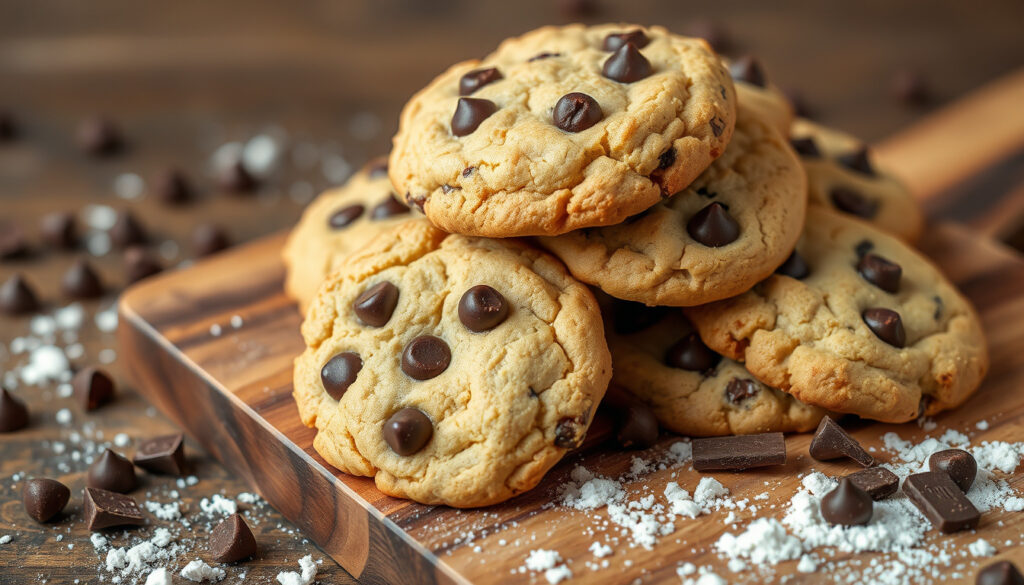
Sourdough Chocolate Chip Cookies – Easy Recipe Guide
Sourdough chocolate chip cookies represent a creative way to transform what many bakers consider kitchen waste into a memorable baked good. The sourdough discard—the portion of starter removed before feeding—brings moisture and complexity to the classic chocolate chip cookie without requiring a stand mixer or advanced techniques.
These cookies have gained significant popularity since the 2020 baking boom, when home bakers sought ways to reduce waste while exploring new flavor profiles. The result is a cookie that delivers chewy, pillowy centers with crispy edges and a subtle tang that enhances rather than overwhelms the chocolate. This guide covers the recipe, ingredient choices, storage options, and common variations to help bakers at every skill level achieve consistent results.
How to Make Sourdough Chocolate Chip Cookies
Prep Time
15 mins
Bake Time
12-14 mins
Yield
24 cookies
Skill Level
Beginner-Intermediate
The basic method requires only a bowl and whisk or spoon, making this an accessible project for anyone without specialized equipment. Most recipes call for approximately 35 minutes of total time from mixing bowl to finished cookies.
What You’ll Need
- Butter (or vegan butter for dairy-free versions)
- Brown sugar and granulated sugar
- 1 egg (or egg replacer for vegan versions)
- 80-113 grams sourdough discard (unfed or active starter works)
- Vanilla extract
- All-purpose flour (bread flour is not necessary)
- Baking soda or baking powder
- Chocolate chips or chopped chocolate
Key Insights for Best Results
At a Glance: Key Recipe Facts
| Key Fact | Details |
|---|---|
| Starter Type | Discard or fed (100g) |
| Key Ingredients | Butter, brown sugar, chocolate chips |
| Dietary Notes | Vegetarian, adaptable |
| Equipment Needed | Bowl, whisk or spoon |
| Discard Amount | Approximately 1/2 cup per batch |
| Refrigerator Life | Up to 3 days |
| Freezer Life | Up to 3 months |
Using Sourdough Discard or Starter in Chocolate Chip Cookies
The sourdough discard serves as the star of these cookies, contributing moisture and flavor development that standard cookie recipes cannot achieve. Home bakers frequently wonder whether they need fresh discard or if older starter works equally well. The answer is reassuring: both unfed and active starter produce excellent results.
What Is Sourdough Discard?
Sourdough discard is the portion of starter removed before each feeding. Rather than discarding this mixture, incorporating it into cookie dough puts the fermented flour and bacteria to delicious use. Even starter that has sat in the refrigerator for a week without feeding remains suitable for baking cookies.
If you don’t have enough discard accumulated, feed your starter a couple of hours before baking to increase volume. This gives you more discard to work with while maintaining the same flavor benefits.
Discard vs. Fed Starter: Does It Matter?
For cookie recipes, the distinction matters less than it does for bread baking. Unfed discard brings a subtle tang that enhances chocolate and vanilla flavors. Fed starter can produce slightly more rise, but the difference in the finished cookie is minimal. Both work reliably for this application.
Sourdough Chocolate Chip Cookies Without Discard
Bakers without accumulated discard can still enjoy these cookies. Feeding your starter a few hours before mixing produces fresh discard with the same functional properties. The process takes minimal effort: mix the feeding, wait two to three hours, and proceed with the recipe.
Sourdough vs Regular Chocolate Chip Cookies: Key Differences
Understanding what distinguishes sourdough chocolate chip cookies from their traditional counterparts helps set realistic expectations for the baking process and final result.
Flavor Profile
The sourdough component introduces a subtle tang that’s slightly acidic rather than sour in the traditional sense. This acidity actually enhances chocolate and vanilla flavors, creating a more complex taste experience. Regular chocolate chip cookies rely on butter and sugar for flavor; sourdough versions add fermented depth that evolves as you eat.
Lactic acid produced during fermentation contributes the characteristic tang. The longer the starter has fermented, the more pronounced this flavor becomes, though cookie recipes typically use discard rather than actively fermenting dough to keep the effect subtle.
Texture Differences
Sourdough chocolate chip cookies typically feature chewy middles with crispy edges, much like their traditional counterparts. The discard adds extra moisture, which contributes to that characteristic soft center. Some bakers note that the texture remains tender longer than conventional cookies, possibly due to the natural acids affecting starches and proteins during baking.
Health Considerations
The sourdough fermentation process can break down some gluten and phytic acid, potentially making these cookies slightly easier to digest than standard versions. However, the differences are modest, and these cookies remain a treat rather than a health food. The fermentation also creates some additional B vitamins, though the impact on overall nutrition remains minimal.
Storage and Shelf Life for Sourdough Chocolate Chip Cookies
One significant advantage of sourdough chocolate chip cookies is their flexibility for make-ahead baking. The dough holds up well under refrigeration and freezing, giving bakers control over timing and portions.
Refrigerator Storage
Cookie dough stores well in the refrigerator for up to three days when kept in an airtight container. This allows bakers to prepare dough on one day and bake fresh cookies later, keeping them minutes away from warm cookies whenever desired. The cold temperature pauses fermentation while allowing flavors to develop further.
Freezing Options
Both shaped dough balls and baked cookies freeze successfully for up to three months. Baked cookies thaw quickly at room temperature. Frozen dough balls can go directly from freezer to oven, though additional baking time may be needed. This option proves particularly useful for households that want cookies without maintaining leftovers.
Allow baked cookies to cool completely before freezing to prevent moisture buildup that leads to soggy texture. Store in single layers separated by parchment paper within freezer bags to maintain shape.
Room Temperature Storage
Baked sourdough chocolate chip cookies remain fresh in an airtight container at room temperature for approximately two to three days. Beyond that window, they begin to dry out and lose the chewy texture that makes them appealing. For longer storage, refrigeration or freezing provides better results.
Variations: Vegan and Gluten-Free Sourdough Chocolate Chip Cookies
Adapting sourdough chocolate chip cookies for different dietary needs has become increasingly common as more bakers explore allergen-friendly options. The sourdough discard provides a flexible base that responds well to substitutions.
Vegan Sourdough Chocolate Chip Cookies
Vegan versions replace eggs with alternatives such as Ener-G Egg Replacer or flax eggs. A flax egg consists of one tablespoon of ground flax mixed with three tablespoons of warm water, which mimics the binding properties of eggs in baking. Vegan butter substitutes for traditional butter, allowing the recipe to work without any animal products.
The texture and flavor profile of vegan versions closely resembles the original, with the sourdough discard providing the same moisture and tang regardless of egg and dairy substitutions. Many bakers report that they cannot detect a difference between vegan and conventional versions.
Gluten-Free Sourdough Chocolate Chip Cookies
Gluten-free sourdough discard cookies substitute blanched almond flour for traditional wheat flour. This ingredient swap maintains the soft, gooey texture that characterizes the classic version while eliminating gluten. The cookies will have a slightly nuttier flavor from the almond flour, which some bakers actually prefer. For a delicious treat, try this sourdough chocolate chip cookie recipe: no bake cookie recipe
Blanched almond flour produces better results than almond meal because it has a finer texture that mimics the crumb of traditional cookies more closely. Expect the cookies to spread slightly more than wheat flour versions.
Dairy-Free Adaptations
Dairy-free options require vegan butter and dairy-free chocolate chips. Enjoy Life chocolate chips represent a popular choice among bakers following dairy-free protocols. The substitution works seamlessly with no adjustments to technique or timing required.
Step-by-Step: From Mixing to Cooling
-
0:00 – 0:05
Mix wet ingredients: cream butter and sugars, then add egg, vanilla, and sourdough discard -
0:05 – 0:10
Fold in flour, baking soda, and chocolate chips until just combined -
0:10 – 0:15
Shape dough into balls and place on prepared baking sheet -
0:15 – 1:15
Chill dough (optional but recommended for chewier texture): approximately 1 hour -
1:15 – 1:27
Bake at 350°F (175°C): 12-14 minutes until edges turn golden -
1:27 – 1:37
Cool on baking sheet: 5-10 minutes before transferring to wire rack
What We Know and What We Don’t About Sourdough Chocolate Chip Cookies
| Established Information | Information That Remains Unclear |
|---|---|
| Discard adds moisture and flavor complexity without making cookies sour | Precise rise variations based on starter maturity have not been documented in detail |
| Unfed or inactive starter works reliably for cookie recipes | Long-term shelf life beyond three months has limited research backing |
| Chilling dough improves chewiness and flavor development | Exact calorie counts vary significantly by recipe variations |
| Vegan and gluten-free adaptations work well with minimal technique changes | Specific troubleshooting for common baking issues remains underdeveloped in available resources |
| Brown butter adds richness and nutty flavor | Batch scaling yields and proportions for larger batches lack comprehensive guidelines |
| The cookies have a subtle tang rather than pronounced sourness | Advanced flavor enhancements through starter manipulation need more documentation |
Why Sourdough Discard Cookies Became Popular
The surge in sourdough discard cookie recipes traces directly to the baking boom that began in 2020. As millions of people turned to bread baking during pandemic lockdowns, maintaining a sourdough starter became common practice. This created a随之而来的 challenge: what to do with the discard generated during regular feedings.
Bakers discovered that the fermented flour mixture, previously discarded, offered unique properties for baking beyond bread. The lactic acid produced during fermentation enhances flavor complexity in ways that commercial yeast cannot replicate. Cookie recipes proved particularly successful because they tolerate variations in starter freshness and activity levels that would cause problems in bread baking.
The waste-reduction angle also resonated with environmentally conscious home cooks. Transforming discard into delicious cookies addressed both practical and ethical concerns about food waste. Food safety organizations have supported this approach, noting that fermentation itself provides some protective benefits against harmful bacteria when proper techniques are followed.
What Bakers Are Saying
“The discard is the star of the show in these recipes. It adds subtle tang without making the cookies sour, and the moisture content produces exactly the chewy texture that makes chocolate chip cookies irresistible.”
— Foragers of Happiness, documenting their vegan sourdough cookie experiments
“These cookies deliver chewy middles with puddles of chocolate. The sourdough discard brings moisture and flavor development that elevates the classic recipe without requiring any specialized equipment or advanced skills.”
— Heart Beet Kitchen, describing their chewy gooey sourdough chocolate chip cookies
Additional baking guidance comes from food safety organizations that address proper handling of fermented products, though detailed troubleshooting for specific cookie issues remains limited in formal literature. The Serious Eats science section provides valuable context for understanding fermentation chemistry if bakers want to explore the technical details behind what makes discard work so well in baking.
Ready to Bake?
Sourdough chocolate chip cookies offer a rewarding way to use discard that would otherwise go to waste. The recipe requires minimal equipment, adapts easily to dietary restrictions, and produces cookies with a complexity that standard recipes cannot match. Whether you maintain a starter for bread baking or received one as a gift, these cookies provide an excellent use for whatever discard accumulates in your refrigerator.
For those interested in unit conversions for baking measurements, the 16 oz to cups conversion guide offers quick reference. Similarly, those curious about broader culinary trends might explore the Pantone Color of the Year 2025 Mocha Mousse, which reflects the warm, rich aesthetic increasingly associated with artisan baking and fermentation culture.
Frequently Asked Questions
Are sourdough chocolate chip cookies healthier?
Sourdough fermentation can break down some gluten and phytic acid, potentially making cookies slightly easier to digest than conventional versions. However, the differences are modest, and these remain a treat rather than a health food.
What makes sourdough chocolate chip cookies tangy?
Lactic acid produced during fermentation contributes the characteristic tang. The acidic nature enhances chocolate and vanilla flavors rather than creating a pronounced sourness.
Can I use active starter instead of discard?
Yes, fed active starter works in these recipes. The difference in the finished cookie is minimal, though unfed discard provides slightly more tang.
Do you need to chill sourdough cookie dough?
Chilling the dough for at least one hour is recommended but not required. The rest improves flavor development and produces chewier cookies with better texture.
How long do baked sourdough chocolate chip cookies last?
Baked cookies stay fresh in an airtight container at room temperature for two to three days. For longer storage, refrigerate for up to a week or freeze for up to three months.
Can you freeze sourdough cookie dough?
Yes, shaped dough balls freeze well for up to three months. Frozen dough can go directly from freezer to oven, though additional baking time may be needed.
What is the best chocolate to use?
Standard chocolate chips work well, as do peanut butter chips, white chocolate, or chopped dark chocolate. Dairy-free options like Enjoy Life chips work for allergen-free versions.
More related posts
 Diamondbacks vs Dodgers Match Player Stats: Key Stats
 Denver Nuggets vs OKC Thunder Stats – Head-to-Head Breakdown
 Amanda Seyfried Movies and TV Shows: Complete Career Timeline
 How Old Is Goldie Hawn? Age, Height, Children & More
 St. Louis Cardinals: Roster, Schedule, Players & History
 Alabama vs Florida State – 24-7 Score, Recap and Stats
 Quantum of the Seas: Review, Cabins to Avoid, and 2026 Itinerary
 How to Write a Letter of Recommendation – Complete Guide with Examples