Easy Meal Prep Ideas: Quick Recipes and Science-Backed Tips
Anyone who has stared into an open fridge at 6 PM with no plan knows the dinner scramble. Meal prep is the shortcut that restores sanity, and it doesn’t have to mean spending Sunday afternoon chopping enough kale for a restaurant.
Meal preppers in the US: ~23% of adults meal prep weekly (2019 survey) · Average prep time saved per week: 2–4 hours · Food waste reduction: up to 40% less waste reported by preppers · Highest nutrition scores: home-prepped meals vs. convenience meals · Safe storage window: 3–4 days in fridge, 3–6 months in freezer
Quick snapshot
- 5 vegetables, 4 fruits, 3 proteins, 2 sauces, 1 grain (Manhattan Nutrition Clinic)
- Cuts decision fatigue and overbuying (Manhattan Nutrition Clinic)
- Chicken, lentils, quinoa, sweet potatoes (Healthline)
- Avoid: delicate greens, watery veggies (Healthline)
- Cooked meals safe 3–4 days in fridge (USDA Food Safety and Inspection Service)
- Freezer keeps meals 3–6 months (USDA Food Safety and Inspection Service)
Four key numbers, one theme: meal prep becomes manageable when you stop thinking recipes and start thinking systems. The table below shows the time and safety boundaries that make the system work.
| Metric | Value | Source |
|---|---|---|
| Avg. time spent meal prepping per session | 1.5–2 hours | NIH (weight loss meal prep study) |
| Safe fridge storage limit for cooked meals | 3–4 days | USDA Food Safety and Inspection Service |
| Freezer storage limit for most prepared meals | 3–6 months | USDA |
| Calorie difference: home prepped vs. takeout | ~250 kcal less per meal on average | Harvard T.H. Chan School of Public Health |
What is the 5 4 3 2 1 grocery rule?
How the 5-4-3-2-1 method works
- 5 vegetables – spinach, cucumber, cherry tomatoes, avocado, bell pepper (Manhattan Nutrition Clinic (registered dietitian practice))
- 4 fruits – apples, oranges, grapes, melon, berries
- 3 proteins – chicken breast, salmon, eggs
- 2 sauces/dressings – peanut butter, hummus
- 1 grain – whole wheat bread, brown rice, whole wheat pasta, whole wheat crackers
The method was popularized by meal planners on Instagram and has been endorsed by dietitians for reducing decision fatigue. Each number represents distinct items, not portions — a bag of carrots counts as one vegetable (MenuMagic).
Sample grocery list for the 5-4-3-2-1 rule
A typical weekly list: veggies (spinach, bell peppers, cherry tomatoes, avocado, cucumber), fruits (bananas, apples, oranges, berries), proteins (chicken breast, eggs, canned tuna), sauces (olive oil vinaigrette, salsa), grains (brown rice). This gives you enough to build lunches and dinners with zero waste.
“Meal planning with the 5-4-3-2-1 method helps families balance their plates without spending hours deciding what to buy.”
The biggest reason meal prep fails is over-ambition. The 5-4-3-2-1 rule keeps you to 15 distinct items — realistic even for a postpartum schedule where 20 minutes of uninterrupted shopping is a win.
What foods are best for meal prepping?
Best proteins for meal prep
- Chicken breast – lean, versatile, reheats well
- Ground turkey – cooks fast, works in bowls and tacos
- Lentils – shelf-stable, high fiber, no refrigeration needed until cooked
- Quinoa – complete protein, stays fluffy for days
These proteins hold their texture after reheating and pair with nearly any vegetable or grain (Harvard T.H. Chan School of Public Health – The Nutrition Source).
Best vegetables and grains
- Sweet potatoes – roast once, use in bowls, wraps, or as a side
- Broccoli and cauliflower – sturdy, roast or steam without turning mushy
- Bell peppers – stay crisp even after a few days
- Brown rice and quinoa – bulk up meals and keep well
Foods that do not freeze well
Leafy greens like lettuce and spinach (fresh) wilt and become slimy after freezing. Creamy sauces (cream-based, yogurt) separate upon thawing. Cooked eggs turn rubbery. For freezing, stick to cooked meats, soups, stews, and grain dishes (USDA Food Safety and Inspection Service).
Sturdy vegetables survive meal prep better but often have lower water content, so you lose some of the crisp freshness. Plan to add delicate greens raw on serving day rather than pre-pack them.
The implication: picking prep-friendly foods means accepting texture trade-offs, but the time saved outweighs the minor loss of crunch.
What is the 3-2-1 meal plan?
Sample day on the 3-2-1 plan
- 3 meals – breakfast (oatmeal + berries), lunch (chicken-quinoa bowl), dinner (salmon + roasted vegetables)
- 2 snacks – apple + peanut butter, Greek yogurt + almonds
- 1 protein shake – post-workout or as a snack replacement
The 3-2-1 plan was designed by a gastroenterologist group (Ohio Gastroenterology Group (clinical GI practice)) to simplify macronutrient balance while supporting gut health.
Who should try the 3-2-1 method
It works well for people who want structure without counting calories. The built-in protein shake gives a convenient protein boost that many people miss in standard meal plans. However, long-term adherence data isn’t published, so treat it as a short-term reset rather than a lifelong prescription.
The pattern: this plan trades long-term flexibility for short-term simplicity, making it a useful starter template rather than a permanent solution.
What not to do when meal prepping?
Common meal prep mistakes
- Overcooking vegetables – they become soggy and unappealing. Par-cook firm vegetables and leave crisp ones raw.
- Not letting food cool before refrigerating – large hot containers raise fridge temperature, promoting bacterial growth. Cool food within two hours using shallow containers (USDA Food Safety and Inspection Service).
- Using the wrong containers – glass lids may crack in the freezer if not tempered; use freezer-safe plastic or silicone.
Storage and reheating errors
- Reheating multiple times – each reheat degrades quality and increases food safety risk. Portion into single-serving containers.
- Storing wet ingredients together – dressing and moist ingredients make everything soggy. Keep sauces separate until serving.
Even experienced meal preppers slip on cooling. The USDA says cooked food left out longer than two hours should be discarded. That seemingly harmless leftover quinoa on the counter can turn into a $200 ER visit.
What are the top 10 foods to stockpile?
Long-shelf-life pantry items
- Canned beans – black, chickpeas, kidney (protein + fiber)
- Rice – white or brown, lasts years
- Oats – quick-cook or rolled
- Dried fruit – raisins, apricots, dates
- Nut butters – peanut, almond
- Canned fish – tuna, salmon, sardines
- Spices – basic rotation (salt, pepper, garlic powder, cumin)
- Shelf-stable milk – almond, oat, or dairy UHT
These items form the backbone of countless emergency meals and cost less than perishables (FDA (food safety authority)).
Freezer-friendly foods
- Frozen vegetables – broccoli, spinach, mixed vegetables (retain nutrients)
- Frozen fruits – berries, mango, peach (for smoothies and baking)
- Cooked grains – freeze rice/quinoa in flat bags to thaw quickly
- Pre-portioned protein – cooked chicken, burger patties, meatballs
What this means: a well-stocked pantry and freezer let you skip grocery trips entirely for weeks at a time, cutting both cost and decision fatigue.
Should I meal prep for postpartum?
Postpartum meal prep benefits
New mothers are often too exhausted to cook — or even to hold a baby and a pan. Freezer meals prepared before birth drastically reduce stress and ensure nutrient-dense food during recovery (Every Mom (parenting resource)).
Sample postpartum freezer meal list
- One-handed meals: burritos, frittatas, muffins (can eat while nursing)
- Hydrating soups: chicken noodle, lentil, coconut curry
- High-iron dishes: beef stew, spinach lasagna (replenish blood loss)
- Lactation-friendly: oatmeal cookies, lactation bites (oats, flax, brewers yeast)
The 3-3-3 rule (3 days in bed, 3 days on bed, 3 days near bed) and the 5-5-5 rule (5 days in bed, 5 days on bed, 5 days near bed) are popular recovery guidelines — and both call for minimal cooking. Stocked freezer meals make those rules practical (Verywell Family (parenting health resource)).
The implication: postpartum meal prep isn’t about gourmet cooking — it’s about survival logistics, and freezer meals are the closest thing to a safety net a new parent can cook in advance.
Step-by-step: How to start meal prepping in 5 steps
- Plan your grocery list – Use the 5-4-3-2-1 method to pick 15 items. Write them down before you shop.
- Shop once for the week – Stick to your list. Resist impulse buys that won’t make it into meals.
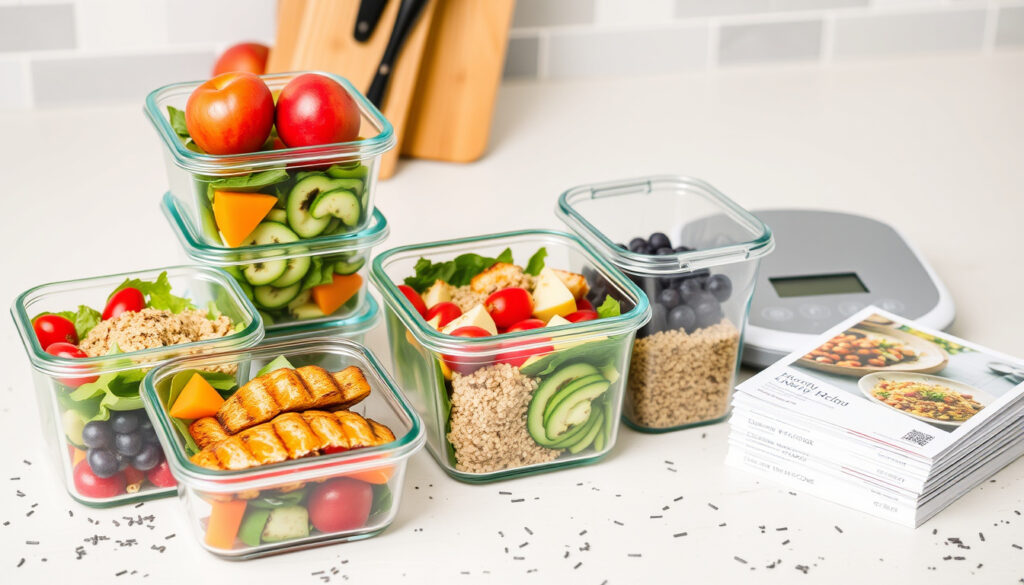
- Prep ingredients in bulk – Wash and chop vegetables, cook grains and proteins, portion into containers.
- Cool food properly – Spread hot food in shallow containers and refrigerate within two hours (USDA).
- Store with separation – Keep sauces and wet ingredients separate from dry components to avoid sogginess.
The pattern: each step removes a common failure point, so beginners get a working system on the first try rather than troubleshooting spoiled or unappetizing food.
What we know and what we don’t
Confirmed facts
- USDA recommends 3–4 day fridge limit for cooked meals (USDA Food Safety and Inspection Service)
- Harvard Nutrition Source endorses weekly meal prep for balanced diet (Harvard T.H. Chan School of Public Health)
- 5-4-3-2-1 grocery rule is a popular non-clinical method (Healthline)
What’s unclear
- Long-term adherence rates to 3-2-1 plan are not published
- The 3-3-3 postpartum rule lacks a single official citation
Expert perspectives on easy meal prep
“Proper cooling is critical — cooked food must be refrigerated within two hours to prevent bacterial growth. We recommend shallow containers to speed cooling.”
— USDA Food Safety and Inspection Service (federal food safety authority)
“Meal planning is strongly associated with higher dietary quality, greater food variety, and lower obesity risk. Even minimal planning yields benefits.”
— Harvard T.H. Chan School of Public Health – The Nutrition Source (academic nutrition research institute)
“The 30 recipes we curated for easy meal prep focus on ingredients that reheat well and use common pantry staples. Simplicity is the key to consistency.”
The pattern is clear: meal prep doesn’t need to be complicated or require a dozen specialty ingredients. The hardest part is starting, and the 5-4-3-2-1 rule gives you a concrete first step.
For those looking to streamline their weekly cooking, quick recipes for Kiwi families offer practical solutions that fit seamlessly into a busy schedule.
Frequently asked questions
How long can I keep meal prep in the fridge?
Cooked meals are safe for 3–4 days in the refrigerator, per the USDA Food Safety and Inspection Service. Beyond that, the risk of foodborne illness grows even if the food looks and smells fine. Freeze portions you won’t eat within that window.
What is the easiest meal prep for beginners?
Start with the 5-4-3-2-1 grocery rule: buy 5 vegetables, 4 fruits, 3 proteins, 2 condiments, 1 grain. Cook the proteins and grains in bulk, chop the vegetables, and assemble bowls or containers for the week. No recipes needed.
Can I freeze meal prep containers with glass lids?
Only if the glass is tempered and freezer-safe. Many glass containers with plastic lids are fine for freezing, but avoid sudden temperature changes (e.g., going from freezer directly to a hot oven). Silicone muffin cups or resealable freezer bags are safer alternatives.
How do I prevent meal prep food from getting soggy?
Keep wet ingredients (dressings, sauces, juicy tomatoes) separate until serving. Pat dry vegetables like bell peppers and cucumber before storing. Par-cook starchy vegetables like potatoes so they don’t release excess water during reheating.
What are high protein meal prep ideas?
Grilled chicken breast, turkey meatballs, lentil soup, quinoa salad with chickpeas, hard-boiled eggs, Greek yogurt parfaits, and tuna wraps. Aim for at least 20–30g protein per main meal.
How much weight can I lose with meal prepping?
Weight loss depends on overall calories, not meal prep itself. But home-prepped meals average about 250 fewer calories per meal compared with takeout, and consistent meal planning is linked to healthier food choices. Combining meal prep with controlled portions can support gradual weight loss.
Do meal prep recipes work for postpartum recovery?
Yes, especially freezer meals that can be eaten one-handed (burritos, muffins, frittatas). Focus on iron-rich foods, hydration, and easy-to-digest options. The 3-3-3 and 5-5-5 postpartum rules both emphasize rest over cooking, so pre-prepared meals are a game-changer.
Meal prep is a system, not a single recipe. The 5-4-3-2-1 rule gives structure; food safety guidelines keep you healthy; postpartum freezer meals protect your sanity. For anyone drowning in takeout decisions, the choice is clear: invest 90 minutes on Sunday, or keep paying the dinner scramble toll every night. Air Fryer Sweet Potato Fries and Is Peanut Butter Good for You? are natural companion reads for your prep journey.