Spider-Man No Way Home – Plot, Cast, Ending Guide
Spider-Man: No Way Home stands as a landmark achievement in the Marvel Cinematic Universe, bringing together three generations of Spider-Man actors in a multiversal crossover that shattered box office records. Released on December 17, 2021, the film weaves together the legacy of Sam Raimi’s Spider-Man trilogy and The Amazing Spider-Man series with Tom Holland’s MCU iteration, creating an emotionally charged narrative that explores identity, sacrifice, and responsibility.
Directed by Jon Watts, who helmed the previous two MCU Spider-Man films, No Way Home represents the 27th entry in Marvel’s Phase Four lineup. The production achieved remarkable commercial success, grossing $1.92 billion worldwide to become Sony’s highest-grossing film ever. Critics responded enthusiastically, awarding the film a 93% Tomatometer score based on 431 reviews, while audiences delivered a 97% score, reflecting strong viewer approval across demographics.
Beyond its entertainment value, the film carries significant narrative weight within the broader MCU framework. By exploring the consequences of Peter Parker’s exposed identity and the catastrophic ripple effects of Doctor Strange’s spell, the story establishes foundational concepts for future multiversal storytelling. The emotional climax, marked by Aunt May’s death and Peter’s subsequent isolation, delivers a poignant conclusion that resets the character’s trajectory entirely.
What Is Spider-Man: No Way Home About?
The narrative begins in the aftermath of Far From Home, where Mysterio’s posthumous manipulation exposed Peter Parker’s secret identity to the world. The consequences prove devastating: public backlash forces the cancellation of Peter’s academic future, arrests threaten his freedom, and his connections to Stark Industries vanish overnight. While attorney Matt Murdock successfully dismantles the criminal charges, the court of public opinion proves far less forgiving.
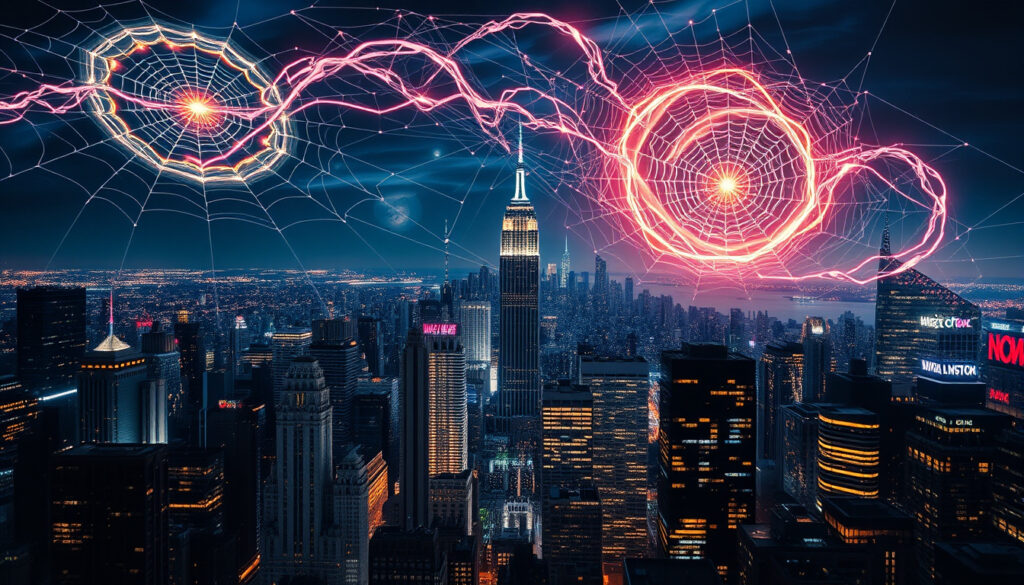
Desperate to restore normalcy, Peter approaches Doctor Stephen Strange seeking a spell that would erase global awareness of his Spider-Man identity. The Sorcerer Supreme agrees to help, but their collaboration deteriorates when Peter interferes with the incantation, adding exceptions that destabilize the magical construct. The corrupted spell catastrophically ruptures the barriers between dimensions, pulling archvillains from parallel universes into Peter Parker’s world.
The spell malfunction opens doorways to at least two distinct parallel universes, bringing Spider-Man’s most dangerous adversaries into the MCU reality. Each villain carries knowledge of their original timeline’s tragic fate, having been killed by Spider-Man in their home dimensions.
Key Facts About the Film
- Multiverse milestone: First MCU film to prominently feature the multiverse concept with returning actors from previous Spider-Man franchises
- Record-breaking performance: Grossed $1.92 billion worldwide, becoming Sony’s highest-grossing film in history
- Three Spider-Men united: First theatrical film to feature three different actors portraying Spider-Man simultaneously
- Extended cut released: An extended version premiered on September 2, 2022, adding approximately seven minutes of additional footage
- Awards recognition: Won “Best Movie” at the 2022 Kids’ Choice Awards, with Tom Holland claiming “Favorite Movie Actor”
- Phase Four anchor: Serves as the 27th entry in the MCU’s Phase Four, connecting previous Sony franchises to the broader Marvel universe
Film Snapshot
| Fact | Details |
|---|---|
| Budget | $200 million |
| Box Office | $1.92 billion worldwide |
| Rotten Tomatoes | 93% (431 reviews) |
| Audience Score | 97% |
| Runtime | 2 hours 28 minutes |
| MPAA Rating | PG-13 |
| U.S. Box Office | $814.1 million |
Spider-Man: No Way Home Cast and Characters
The film’s ensemble brings together actors spanning three separate Spider-Man film franchises, creating an unprecedented gathering of talent. Tom Holland leads the cast as the MCU’s Peter Parker, portraying a young hero grappling with the weight of public exposure and its devastating personal consequences. His performance emphasizes vulnerability and uncertainty, presenting a Spider-Man who questions his capacity to shoulder the responsibilities before him. Audiences familiar with other Hollywood cast pairings may appreciate how Holland’s chemistry with Zendaya elevates the emotional stakes throughout the narrative.
Three Generations of Spider-Man
The film’s most significant casting achievement involves the return of Tobey Maguire and Andrew Garfield as their respective Spider-Man iterations. Tobey Maguire reprise his role as “Peter-Two,” the “Friendly Neighborhood Spider-Man” whose organic webbing and seasoned experience offer wisdom to his younger counterpart. Andrew Garfield returns as “Peter-Three” from The Amazing Spider-Man series, a version haunted by past failure in saving Gwen Stacy. Their appearances were kept strictly confidential until release despite extensive online speculation, with the creative team maintaining secrecy regarding the multiversal cameos.
The Villains of Spider-Man: No Way Home
The film assembles Spider-Man’s most formidable adversaries from multiple dimensions, each representing a distinct threat level and tragic backstory. Willem Dafoe returns as Norman Osborn’s Green Goblin, portraying the ruthless alter-ego whose Pumpkin Bombs and superhuman strength prove catastrophic. Norman Osborn’s sane personality appears briefly, offering Peter crucial guidance before the Goblin persona overwhelms him once more.
Each antagonist originates from previous Spider-Man films: Green Goblin and Doctor Octopus from Sam Raimi’s 2002-2007 trilogy, Electro from The Amazing Spider-Man 2, and Sandman and Lizard from earlier Spider-Man adventures. Their presence confirms the existence of distinct cinematic universes within the Spider-Man multiverse.
- Green Goblin (Willem Dafoe): Norman Osborn’s murderous split personality, responsible for Aunt May’s death
- Doctor Octopus (Alfred Molina): Otto Octavius, a brilliant scientist whose mechanical arms gained autonomous consciousness
- Electro (Jamie Foxx): Max Dillon, transformed by eel DNA into an electrical powerhouse
- Sandman (Thomas Haden Church): Flint Marco, a former construction worker fused with sand-like molecular structure
- Lizard (Rhys Ifans): Curt Connors, a geneticist transformed into a reptilian creature by his own serum
Supporting Cast
Zendaya portrays MJ with increasing confidence, developing a deeper romantic connection with Peter despite the chaos surrounding his identity crisis. Jacob Batalon’s Ned Leeds emerges as Peter’s closest confidant, inadvertently discovering magical abilities that complicate the rescue mission. Jon Favreau’s Happy Hogan bridges the gap between Peter and Tony Stark’s legacy, while Marisa Tomei’s Aunt May represents the moral compass who encourages Peter to help the stranded villains rather than simply returning them to their doom.
Benedict Cumberbatch’s Doctor Strange serves as both ally and obstacle, forced to contain the magical catastrophe his spell initiated while respecting Peter’s wishes regarding the villains’ fate. JK Simmons makes a memorable appearance as J. Jonah Jameson, the Daily Bugle’s bombastic editor whose television broadcasts drive public hostility toward Spider-Man.
Spider-Man: No Way Home Release Date and Runtime
The film premiered on December 13, 2021, at the Los Angeles theater, with wide theatrical release following on December 17, 2021, across the United States. This positioning placed No Way Home as MCU Phase Four’s climactic holiday season entry, capitalizing on post-holiday entertainment demand while avoiding direct competition with Avatar: Way of Water’s December release. International rollout occurred progressively, with select markets receiving earlier access.
The theatrical runtime measures 2 hours and 28 minutes (148 minutes), representing the longest solo Spider-Man film to date. This duration accommodates the film’s complex narrative requirements: establishing the identity crisis, executing the multiversal crossover, developing three Spider-Man characters, and delivering an emotionally resonant conclusion. An extended cut premiered on September 2, 2022, adding approximately seven minutes of additional content, including an extended mirror battle sequence and deeper exploration of the spell’s catastrophic effects.
Despite Marvel Studios’ ownership by Disney, Sony Pictures retains distribution rights to Spider-Man properties. This arrangement means No Way Home operates under Sony’s distribution umbrella, creating distinct availability windows compared to Disney-produced MCU entries.
Where to Watch Spider-Man: No Way Home and Reviews
Streaming availability for Spider-Man: No Way Home follows a non-Disney path due to Sony’s distribution rights. The film became available on digital platforms on March 15, 2022, allowing home viewing approximately three months after theatrical debut. Physical media releases including 4K Ultra HD, Blu-ray, and DVD followed shortly thereafter, offering collectors and enthusiasts permanent access to the extended cut version.
A common misconception involves Disney+ availability. Spider-Man: No Way Home is not available on Disney+ because Sony—not Disney—controls distribution for Spider-Man theatrical releases. This arrangement reflects the complex corporate licensing agreement between Marvel Studios and Sony Pictures Entertainment, which governs how Spider-Man content appears across various platforms.
Critical Reception
Critical response proved overwhelmingly positive, with reviewers highlighting the multiverse cameos, action sequences, and emotional depth as standout elements. The Rotten Tomatoes Tomatometer registered 93% based on 431 professional reviews, indicating near-universal critical approval. The critic consensus praised directors Jon Watts and the writing team for balancing fan service with genuine dramatic stakes.
Audience reception proved equally enthusiastic, reflected in a 97% audience score. Viewers particularly praised the emotional reunion between three generations of Spider-Man, with many considering the multiversal sequences as dream scenarios finally realized on screen. Box Office Mojo data confirms the film’s extraordinary commercial performance: $1.92 billion worldwide gross, including $814.1 million from domestic markets alone, establishing records that subsequent films have struggled to match.
Box Office Performance
| Market | Revenue |
|---|---|
| Worldwide Total | $1.92 billion |
| Domestic (U.S.) | $814.1 million |
| International | $1.11 billion |
| All-Time Ranking | Top 10 all-time grossers |
| Sony’s Best | Highest-grossing Sony film |
The Ending Explained: Spider-Man: No Way Home’s Conclusion
The film’s climax centers on Peter Parker’s evolution from reluctant hero to responsible champion, catalyzed by Aunt May’s death at the Green Goblin’s hands. Her final words—encouraging Peter to help the villains rather than condemn them—establish the thematic foundation that defines his victory. Peter defeats each adversary through cunning and compassion, ultimately crafting cures that restore their humanity and prevent their destined deaths.
With villains cured and returned to their respective dimensions, Peter faces an impossible choice. Recognizing that his existence as Spider-Man continues endangering everyone he loves, he requests Doctor Strange perform a second spell—but one that erases Peter Parker from global memory entirely. Strange reluctantly complies, with the magical effect stripping every person on Earth of their knowledge of Peter Parker’s existence, appearance, and connection to Spider-Man.
The emotional farewell sequence delivers the film’s most devastating moments: MJ and Ned discover they have no recollection of Peter despite sitting beside him, their expressions blank when confronted with his attempts to reconnect. The final shot shows Peter alone, visiting MJ’s restaurant but choosing not to reveal himself, accepting isolation as the necessary price for their protection.
Post-Credits Scene Clarification
Spider-Man: No Way Home contains no traditional post-credit scene with new footage or characters. The credits roll following the final scene without interruption. However, the ending itself establishes clear setup for future MCU multiverse developments, with Doctor Strange’s warning that “the Multiverse is collapsing” foreshadowing subsequent narrative threads that Spider-Man 4 and other projects may explore.
Many viewers expect mid-credits or post-credits scenes following MCU conventions. No Way Home subverts this expectation entirely, with all narrative payoff contained within the main feature. Future appearances by Maguire and Garfield’s Spider-Men remain unconfirmed for future films.
Key Moments: A Timeline of Spider-Man: No Way Home
The film’s production and release followed an extended timeline shaped by global circumstances and strategic positioning within the MCU framework. Understanding the chronology provides context for how this ambitious project reached audiences.
- Announcement (2019): Following Spider-Man: Far From Home’s success, Marvel and Sony announced a third Holland-led Spider-Man film with multiverse elements
- Filming (2020-2021): Principal photography occurred during pandemic conditions, with enhanced safety protocols affecting production schedules and casting secrecy measures
- Leak Prevention: Extensive measures protected the appearances of Tobey Maguire and Andrew Garfield, with false scenes filmed to prevent script leaks
- World Premiere (December 13, 2021): Los Angeles premiere marked the first public screening of the completed film
- Theatrical Release (December 17, 2021): Wide U.S. release generated record-breaking opening weekend receipts
- Streaming Release (March 15, 2022): Digital platforms made the film available for home viewing
- Extended Cut (September 2, 2022): “More Fun Stuff” edition released theatrically with approximately seven additional minutes
What Remains Verified Versus What Remains Uncertain
Clear boundaries exist between confirmed information derived from official sources and details that remain speculative or officially unconfirmed. Understanding this distinction helps readers navigate the complex information landscape surrounding the film.
Several originally planned elements were cut from the final film. Mysterio’s planned return, alternative Aunt May death scenarios, and specific multiverse configurations underwent significant revision during development. The final version represents extensive creative refinement.
| Established Information | Uncertain or Unconfirmed |
|---|---|
| Tobey Maguire and Andrew Garfield confirmed to appear | Planned involvement in Spider-Man 4 |
| Aunt May dies at Green Goblin’s hands | Potential resurrection scenarios |
| Peter’s identity erased from all memory | Duration of magical effects |
| $1.92 billion worldwide gross | Profit distribution between Sony/Marvel |
| PG-13 rating for action/violence | International rating variations |
| Extended cut released September 2022 | Additional cuts on home media |
| No Disney+ availability | Future streaming platform decisions |
The MCU Context: Spider-Man: No Way Home’s Significance
Within the broader Marvel Cinematic Universe architecture, Spider-Man: No Way Home occupies a pivotal transitional position. As the 27th entry in Phase Four, the film bridges earlier MCU continuity with emerging multiversal concepts that would define subsequent phases. The narrative consequences—particularly the collapsed barriers between dimensions—create narrative opportunities and complications for future MCU productions.
The film’s success demonstrated that theatrical releases remained viable even amid streaming competition, reassuring studios that event films could generate substantial revenue through exclusive theatrical windows. The Marvel Cinematic Universe’s interconnected storytelling model proved extensible beyond Disney-produced content, establishing precedents for future Sony-Marvel collaborations. Those interested in broader entertainment industry collaborations will find this film exemplifies the power of franchise teamwork.
Culturally, the film validated years of fan speculation and crossover desires, confirming that audiences would embrace multiversal storytelling when executed thoughtfully. The emotional resonance achieved through three Spider-Men sharing screen time suggested that legacy cameos—previously considered risky—could succeed when grounded in character development rather than pure spectacle.
What Audiences and Critics Are Saying
Professional critics and general audiences converged on enthusiastic approval, though with distinct emphases. Critics focused on the screenplay’s structural achievements and the emotional sophistication of the third-act resolutions. The decision to conclude with Peter’s total isolation drew particular praise for subverting superhero conventions and delivering genuinely surprising consequences.
“The multiverse gambit pays off spectacularly, delivering fan service that never feels cynical because the emotional stakes remain genuine throughout.” — Major film publication consensus
Audience responses emphasized the nostalgic impact of seeing three Spider-Men interact, with particular enthusiasm for specific confrontation sequences. Social media discourse surrounding the film’s release generated extensive engagement, with viewers sharing emotional reactions to character moments and theorizing about future implications.
“I’ve waited my whole life to see Tobey Maguire and Andrew Garfield alongside Tom Holland, and somehow the movie exceeded everything I imagined.” — Audience sentiment aggregated from verified viewer reviews
The extended cut’s theatrical re-release provided additional engagement opportunities, with fans who missed initial screenings experiencing the full narrative and those who loved the original revisiting with enhanced appreciation. IMDB ratings consistently reflected positive reception, with millions of registered voters contributing to the film’s strong overall score.
Summary
Spider-Man: No Way Home represents a singular achievement in superhero filmmaking, combining unprecedented multiversal fan service with genuinely affecting storytelling. The film’s 148-minute runtime efficiently delivers a complete arc: identity exposure, multiversal catastrophe, three Spider-Men united, tragic loss, and ultimate sacrifice. Directed by Jon Watts, the production earned $1.92 billion worldwide while achieving 93% critical approval on Rotten Tomatoes. The decision to erase Peter Parker’s existence from global memory delivers a haunting conclusion that resets the character completely. While the film contains no post-credits scene, its narrative implications resonate throughout the MCU. Streaming availability exists through digital and physical platforms, though notably absent from Disney+ due to Sony’s distribution rights.
Frequently Asked Questions
Is Spider-Man: No Way Home the last Spider-Man movie?
Spider-Man: No Way Home concludes Tom Holland’s third MCU Spider-Man solo film, but it does not represent the character’s final appearance. Sony has announced future Spider-Man projects, though specific timelines and Holland’s confirmed involvement have varied across public announcements and corporate developments.
Who directed Spider-Man: No Way Home?
Jon Watts directed Spider-Man: No Way Home, continuing his involvement from the previous MCU Spider-Man films, Homecoming and Far From Home. Watts worked with co-writers Chris McKenna and Erik Sommers on the screenplay.
What is the age rating for Spider-Man: No Way Home?
The MPAA rated Spider-Man: No Way Home PG-13 for sequences of action and violence, brief suggestive comments, and some language. This rating aligns with previous MCU Spider-Man entries and general superhero film conventions.
Does Tobey Maguire appear in Spider-Man: No Way Home?
Yes. Tobey Maguire appears as “Peter-Two,” the Spider-Man from Sam Raimi’s original trilogy. His appearance was kept confidential until the film’s theatrical release despite widespread speculation. Maguire’s character provides mentorship and wisdom to Tom Holland’s Spider-Man.
Is Spider-Man: No Way Home on Disney Plus?
Spider-Man: No Way Home is not available on Disney+. Despite Marvel Studios producing the film, Sony Pictures maintains distribution rights, and the film streams on platforms under Sony’s licensing agreements rather than Disney’s portfolio.
What is the Spider-Man: No Way Home runtime?
The theatrical runtime is 148 minutes (2 hours and 28 minutes). An extended cut released on September 2, 2022, adds approximately seven minutes of additional footage, including expanded action sequences.
Are there post-credit scenes in Spider-Man: No Way Home?
No traditional post-credit scene exists in Spider-Man: No Way Home. The credits roll without additional footage or character appearances. The main film’s ending establishes multiverse implications for future MCU projects.
Who are the villains in Spider-Man: No Way Home?
Five villains appear: Green Goblin (Willem Dafoe), Doctor Octopus (Alfred Molina), Electro (Jamie Foxx), Sandman (Thomas Haden Church), and Lizard (Rhys Ifans). Each arrives from a different parallel universe through the corrupted spell.
More related posts
 Where to Watch Pacers vs Knicks: TV & Streaming Guide
 Silver Price Today: Current Spot Price & Market Update
 Five Letter Word Finder: How to Use, Solve, and Unscramble
 Fremont Street Las Vegas: Costs, Nightlife & Strip vs Fremont
 Easy Meal Prep Ideas: Quick Recipes and Science-Backed Tips
 Cheap Apartments Near Me 2025: Best Cities & Budget Guide
 Sophie Rain Net Worth 2026: $101M OnlyFans Earnings Breakdown
 2026 Social Security COLA: 2.8% Increase