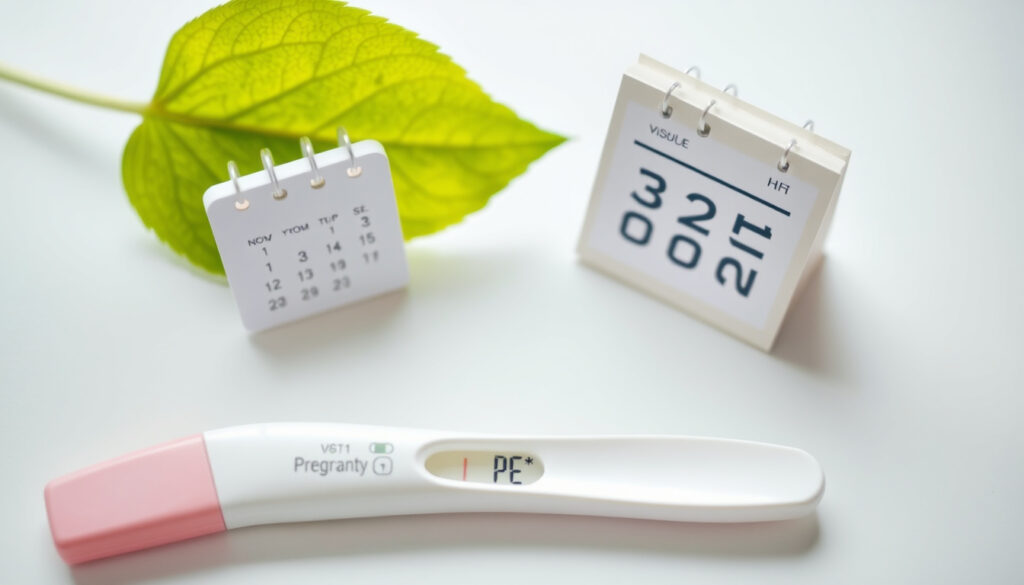
Signs of Early Pregnancy: Common Symptoms and Confirmation
Anyone who suspects they might be pregnant quickly starts scanning their body for clues. But early pregnancy symptoms can be confusing — many overlap with everyday hormonal fluctuations or stress. With input from medical institutions like the NHS and Johns Hopkins Medicine, this article separates the confirmed signs from the myths, so you know what to look for and when to take a test.
Missed period: Most common early sign, experienced by nearly all pregnant individuals · Nausea or morning sickness: Affects 70–80% of pregnancies, often starting around week 6 · Breast tenderness: Frequently reported within 1–2 weeks after conception · Fatigue: Extreme tiredness is common in the first trimester · Implantation bleeding: Occurs in about 25% of pregnant women, typically 6–12 days after ovulation · Frequent urination: May start as early as week 6 due to hormonal changes
Quick snapshot
- Missed period is the earliest and most reliable sign (NHS (UK national health service))
- Home pregnancy tests are accurate after a missed period (Johns Hopkins Medicine (medical research institution))
- Detection of hCG in urine or blood confirms pregnancy (Mayo Clinic (academic medical center))
- Nausea, fatigue, breast tenderness can also be caused by PMS, stress, or illness (Better Health Channel (Victoria government health service))
- Implantation bleeding occurs in only about 25% of pregnancies (NHS)
- Food cravings and aversions are not conclusive in early weeks (Cleveland Clinic (health system))
- Symptoms typically begin 1–2 weeks after conception (Johns Hopkins Medicine)
- Missed period occurs around week 4 of pregnancy (NHS)
- Implantation bleeding can happen 6–12 days after ovulation (Mayo Clinic)
- Take a home pregnancy test after a missed period (Johns Hopkins Medicine)
- If negative and period still doesn’t come, test again after one week (NHS)
- Consult a healthcare provider for a blood test or ultrasound (Cleveland Clinic)
The table below consolidates the key numbers from major health authorities.
| Fact | Value |
|---|---|
| Symptoms typically begin | 1–2 weeks after conception (around week 4 of pregnancy) |
| Most common early sign | Missed period |
| Percentage who experience nausea | 70–80% of pregnant women |
| Implantation bleeding prevalence | About 25% of pregnancies |
| Reliable self-detection method | Home pregnancy test after missed period |
| When fatigue is most reported | First trimester, due to rising progesterone |
What are the early signs of pregnancy?
Missed period: the most reliable clue
- A missed period is the earliest and most reliable sign of pregnancy for people with regular cycles (NHS (UK national health service)).
- If you have a regular menstrual cycle, this is the symptom most likely to prompt a test.
The pattern is straightforward: when implantation triggers hormonal changes, ovulation stops and the uterine lining stays intact. But a missed period can be misleading for those with irregular cycles, as Mayo Clinic (academic medical center) cautions. The implication: rely on a test, not just the calendar.
Spotting and implantation bleeding
- Light spotting can occur in early pregnancy, often around the time of implantation, 6–12 days after ovulation (NHS).
- Only about 25% of pregnant women experience this, and it’s usually lighter than a normal period.
Implantation bleeding is not a guarantee — many women mistake it for a light period. The takeaway: if you see spotting and your period doesn’t follow, it’s worth testing.
Breast changes and tenderness
- Breast tenderness, swelling, or a tingling sensation often begins 1–2 weeks after conception (Mayo Clinic).
- These changes are driven by increased estrogen and progesterone.
Johns Hopkins Medicine (medical research institution) notes that breast tenderness is one of the first physical sensations many women report. It can feel similar to PMS, but if the soreness continues past when your period would normally start, take notice.
Fatigue and exhaustion
- Feeling extremely tired is a common early symptom, especially during the first trimester (Better Health Channel (Victoria government health service)).
- Rising progesterone levels and increased blood volume are the usual causes.
Fatigue from early pregnancy can hit suddenly — you may feel wiped out even after a full night’s sleep. If this feeling lasts beyond a few days and accompanies other signs, it’s a clue worth following.
How to tell if pregnant without a test?
Tracking your menstrual cycle
- Marking the first day of your period and noting cycle length helps spot a missed period quickly (NHS).
- Apps or a calendar can help, but they’re only as accurate as your data entry.
The most telling sign is a period that hasn’t arrived on its expected date. For those with irregular cycles, tracking becomes harder — but any unusually long gap is reason to test.
Observing physical changes
- Beyond missed periods, look for subtle shifts: breast tenderness, unusual fatigue, nausea, or needing to urinate more often (Cleveland Clinic (health system)).
- These can appear as early as 1–2 weeks after conception.
But caution: many of these overlap with premenstrual syndrome. Better Health Channel points out that stress, illness, or changes in diet can cause similar symptoms.
Using basal body temperature
- Taking your temperature each morning before getting out of bed can reveal a sustained rise that suggests pregnancy (Johns Hopkins Medicine).
- If your basal body temperature stays elevated for 18 days or more, that’s a strong signal.
This method requires consistency and a special thermometer. It’s more useful for those already tracking ovulation than as a first-line check.
Limitations of symptom checking
- No collection of symptoms can confirm pregnancy — only a positive pregnancy test or ultrasound can do that (NHS).
- Many early signs are nonspecific and can be caused by hormonal shifts unrelated to pregnancy.
The implication: while tracking symptoms can guide you, it’s not a replacement for testing. If you suspect pregnancy, the step is to take a home pregnancy test after your missed period.
Relying on symptoms alone leads to false alarms or missed pregnancies. A person with irregular cycles might dismiss a late period as normal, while someone with PMS-like discomfort might mistake it for pregnancy. The catch: the only way to be sure is a test — and then a follow-up if needed.
What are 100% signs of pregnancy in the first week?
Why there are no 100% signs in week 1
- Pregnancy is dated from the first day of your last menstrual period, so “week 1” often precedes conception itself (Johns Hopkins Medicine).
- No symptom alone is absolute proof of pregnancy in the first week after conception.
Claims of “100% signs” found online are not supported by medical evidence. NHS emphasises that only a positive pregnancy test or ultrasound confirms pregnancy.
The only definitive confirmation methods
- A positive home pregnancy test, when used after the missed period and according to instructions, is “almost certainly correct” (NHS).
- A blood test (quantitative hCG) performed by a doctor is even more precise and can detect pregnancy earlier.
- Ultrasound is the gold standard, but it typically isn’t performed until several weeks into pregnancy.
No symptom — not even a missed period — is 100% reliable in the first week. The catch: many women search for early reassurance and fall for anecdotes. Stick with lab-based methods for certainty.
Misconceptions about early symptoms
- Social media and some websites claim that implantation cramps, specific cervical positions, or particular urine colors are definite signs — none are proven (Ubie Health (health information resource)).
- These claims often exploit the emotional desire for an early answer.
The pattern is clear: if a source says “you’ll definitely feel X in the first week,” it’s not based on clinical evidence. Real confirmation requires patience and a test.
Can you feel pregnant at 1 week?
What week 1 actually means (conception timing)
- In standard pregnancy dating, “week 1” starts on the first day of your last period, meaning ovulation typically hasn’t occurred yet (Johns Hopkins Medicine).
- Conception happens around day 14, so by the calendar, “feeling pregnant at 1 week” is biologically impossible for most.
This timing confusion leads many to believe they can sense pregnancy immediately after conception. The pattern: the earliest sensations occur around implantation, 6–12 days after ovulation, when some women notice light spotting or mild cramping.
Typical first symptoms and their onset
- Most people do not notice symptoms until 1–2 weeks after a missed period (Mayo Clinic).
- Some women report very early signs like cramping or light spotting around the time of implantation (NHS).
Implantation discomfort and other early sensations
- Implantation can cause mild cramping and very light spotting, but these are not experienced by everyone (NHS).
- Other early sensations like bloating or mood changes are also possible but are not reliable indicators.
The implication: while some women may feel something in the first two weeks, it’s not a reliable indicator. The only way to know is to wait for a missed period and take a test.
Is there a urine color that signals pregnancy?
Normal urine color variations
- Urine color varies depending on hydration, diet, medications, and health conditions.
- Normal urine ranges from pale yellow to deep amber, based on concentration.
What changes might be caused by pregnancy
- Increased urination frequency can occur in early pregnancy, but color is not a diagnostic sign (Cleveland Clinic (health system)).
- Dark urine may indicate dehydration unrelated to pregnancy.
When to consult a healthcare provider
- If you suspect pregnancy, the best step is a home pregnancy test, not checking urine color.
- Any unusual or persistent changes in urine color should be discussed with a doctor regardless of pregnancy status.
The pattern: no specific urine color reliably indicates pregnancy. The catch is that many online sources promote this myth, but it has no basis in clinical evidence.
No study or medical authority supports using urine color as a pregnancy test. The only reliable self-detection method is a home pregnancy test that measures hCG levels, not visual appearance.
Related reading: Cramps But No Period: 8 Causes and Red Flags · Folate vs Folic Acid: Differences, Benefits and Recommendations
Frequently Asked Questions
How soon can I take a pregnancy test?
Home pregnancy tests are most accurate after a missed period (Johns Hopkins Medicine). Some early-detection tests claim to work a few days before a missed period, but false negatives are more common if you test too early (Clearblue).
Can early pregnancy symptoms be caused by something else?
Yes. Nausea, fatigue, breast tenderness, and missed periods can also be caused by PMS, stress, illness, or hormonal fluctuations (Better Health Channel).
What is implantation bleeding and when does it happen?
Implantation bleeding is light spotting that occurs when the fertilized egg attaches to the uterus wall, typically 6–12 days after ovulation (NHS). Only about 25% of pregnant women experience it.
Is it normal to have no early pregnancy symptoms?
Yes. Some women experience few or no early symptoms. Mayo Clinic notes that the absence of symptoms does not mean you are not pregnant.
Do pregnancy symptoms start before a missed period?
Some women report symptoms like breast tenderness, fatigue, or light spotting before a missed period (Johns Hopkins Medicine). However, these symptoms are not reliable and can be confused with PMS.
How accurate are home pregnancy tests?
NHS states that a positive home pregnancy test is almost certainly correct if the instructions were followed properly. Accuracy is highest when testing after a missed period.
Can stress delay my period and mimic pregnancy?
Yes. Stress can delay ovulation and cause a late period, along with symptoms like fatigue and nausea that mimic early pregnancy (Better Health Channel).
What should I do if I suspect I might be pregnant?
Take a home pregnancy test after a missed period. If negative and your period still doesn’t come, test again after one week (Johns Hopkins Medicine). Consult a healthcare provider for a blood test or ultrasound if needed (Cleveland Clinic).
More related posts
 2024 Calendar with Holidays: US, Ireland, Germany Guide
 Tom Ford Ombré Leather – In-Depth Review and Performance Guide
 How to Wash a Hat Without Ruining It: Complete Guide
 S&S Activewear – Brands, Locations and Wholesale Guide
 George Bush Intercontinental Airport – Complete Visitor Guide
 Delhi Capitals vs RCB Match Scorecard: RCB Win by 9 Wickets
 Mahou Shoujo ni Akogarete: Plot, Yuri & Hiatus Status
 Mercury Retrograde 2025 Dates: Complete Guide