Great Sand Dunes National Park – Complete Visitor Guide
Great Sand Dunes National Park Visitor Guide
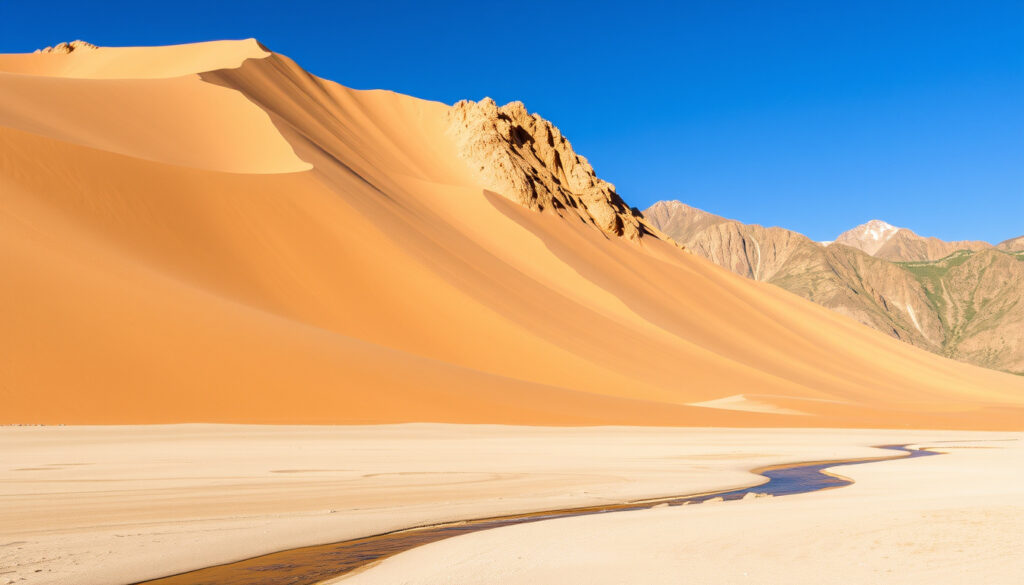
Great Sand Dunes National Park and Preserve holds a singular place among American protected lands. Rising abruptly from the floor of Colorado’s San Luis Valley near the Sangre de Cristo Mountains, the park encompasses approximately 150,000 acres featuring the tallest sand dunes in North America. These wind-carved formations, some reaching 750 feet in height, stand in dramatic contrast to the alpine forests and grasslands that surround them, creating an otherworldly landscape that draws roughly 600,000 visitors annually.
The park’s designation as a national preserve in 2004 expanded protections beyond the original 1932 national monument boundaries, recognizing both the geological significance of the dune field and the diverse ecosystems that depend on the area’s unique water sources. Visitors encounter not only the iconic dunes but also Medano Creek, which flows seasonally along the dune’s eastern edge, creating a rare combination of sandy desert and riparian habitat within a single protected area.
Whether arriving for a day of sand sledding, seeking solitude on backcountry trails, or simply watching the Milky Way emerge over the dark-sky preserve, travelers find a destination that defies expectations of what a national park offers. The following guide provides essential information for planning a visit, from practical logistics to trail recommendations and seasonal considerations.
Where Is Great Sand Dunes National Park and How to Get There?
Key insights for planning:
- The park sits in the San Luis Valley, one of the highest-altitude valleys in the United States at approximately 7,800 feet above sea level
- The dune field covers about 30 square miles with no marked paths—navigation requires directional sense and landmark reference
- Medano Creek flows only during warmer months, typically creating a beach area by late spring
- High altitude affects exertion levels; the same trails feel more difficult than at lower elevations
- Motor vehicles cannot access the dunes themselves; exploration occurs on foot or with rented sledding equipment
- The nearest commercial airport is in Albuquerque, roughly three hours south
- Cell service is limited throughout the park area
| Category | Detail |
|---|---|
| Tallest Dune | High Dune: approximately 699 feet accessible |
| Overall Maximum Height | 750 feet for the tallest dunes in the field |
| Entrance Fee | $25 per vehicle (standard NPS rates apply) |
| Park Hours | Open 24 hours daily |
| Visitor Center Hours | Typically 8:30 am to 5:00 pm |
| Dogs Policy | Prohibited on dunes and backcountry trails; allowed on leashes in developed areas |
| 4WD Requirement | Medano Pass Primitive Road requires high-clearance 4WD |
Location and Nearby Access Points
The park lies in Alamosa County, Colorado, within the San Luis Valley—a broad depression flanked by the San Juan Mountains to the west and the Sangre de Cristo Mountains to the east. The nearest town, Alamosa, sits approximately 35 miles northeast and serves as the primary supply point for visitors. The Piñon Flats Visitor Center marks the starting point for most activities and contains exhibits on local geology, ecosystems, and cultural history. Rangers recommend allocating at least 30 minutes for the visitor center experience.
Highway 150 provides the main access route from the south, connecting to Interstate 25 approximately 70 miles away. County Road 6 approaches the park from the west. Visitors traveling from the north typically route through Alamosa via U.S. Highway 285 from Interstate 25, then continue south on Highway 150. Those coming from southern directions can reach the park by taking Interstate 25 directly to Highway 150.
Driving Directions from Major Cities
From Denver, the drive covers approximately 240 miles and takes roughly four hours via Interstate 25 south to Alamosa, then Highway 150 south to the park entrance. Albuquerque visitors face about a three-hour drive north on Interstate 25 before turning onto Highway 150. Colorado Springs travelers can reach the park in approximately three hours by following Interstate 25 south and then Highway 150. Those coming from Pueblo should plan for roughly two and a half hours of driving time.
Private vehicles can travel park roads, but motor vehicles are prohibited on the dune surface itself. The main dune access parking lot sits about one mile past the visitor center. For the Medano Pass Primitive Road—a 22-mile backcountry route—high-clearance four-wheel-drive vehicles are required and the road remains passable only during warmer months.
Best Time to Visit Great Sand Dunes, Fees, and Hours
Timing a visit to Great Sand Dunes requires balancing desired activities with seasonal conditions. The summer months draw the largest crowds, particularly families with children who come for sand sledding and swimming in Medano Creek. However, summer afternoon temperatures on the dune surface can exceed 150°F, making midday visits uncomfortable and potentially dangerous. Rangers and experienced visitors consistently recommend early morning or late evening visits during summer to avoid scorched sand and afternoon thunderstorm activity that brings lightning to exposed dune areas.
Seasonal Weather and Visitor Patterns
Spring brings moderate temperatures and the beginning of Medano Creek flow, typically creating swimmable conditions by May. This season offers a balance between comfortable hiking weather and fewer crowds than summer. Fall presents another favorable window, with cooler temperatures and changing aspens visible from trails and the Medano Pass road. Autumn colors usually peak in mid-September through early October.
Winter transforms the park experience entirely. January temperatures range from the teens to low 30s Fahrenheit during the day, with overnight lows frequently dropping below zero. These conditions limit access to the dunes, though some visitors appreciate the stark beauty of snow-capped dunes against clear winter skies. The Piñon Flats Campground operates on a first-come, first-served basis during winter months.
Sudden weather extremes can develop in the San Luis Valley due to its high-altitude location and mountain proximity. Before your trip, check current conditions through official park channels to understand any weather-related closures or advisories.
Current Entrance Fees and Pass Options
The park charges standard National Park Service entrance fees, with the current rate set at $25 per vehicle. This fee grants access for all occupants of a single vehicle for up to seven days. Motorcycle riders pay $20, and visitors entering on foot or bicycle pay $15 per person. The America the Beautiful Annual Pass, available for $80, provides unlimited access to all federal recreation sites for one year and represents good value for those planning multiple national park visits.
Exact 2025 fee structures may have been updated; visitors should verify current rates at the official National Park Service website before arrival. The Piñon Flats Visitor Center operates daily and serves as the primary location for obtaining maps, checking current trail conditions, and receiving ranger advice tailored to the season of your visit.
The park does not offer equipment rentals on-site. Visitors wishing to rent sand sleds or sandboards must visit the Great Sand Dunes Oasis, a private business located near the park entrance. Bringing your own sand sledding equipment is also acceptable.
Top Things to Do and Best Hikes at Great Sand Dunes
Great Sand Dunes offers activities spanning from gentle nature walks to challenging multi-day backcountry adventures. The unique juxtaposition of dune, grassland, forest, and creek ecosystems means visitors can experience remarkably different environments within a single day. Photography opportunities vary dramatically throughout the day, with many photographers timing their visits for sunrise or sunset when the low angle of light illuminates the dune surface with deep shadows and warm tones.
Dune Climbing and Sand Sledding
The dune field itself provides the primary attraction, with approximately 30 square miles of sand available for exploration. No marked paths traverse the dunes, requiring visitors to establish their own routes using visible landmarks. Climbing the tallest dunes demands significant physical effort due to the shifting sand, which provides less traction than solid ground and tends to slide backward with each step.
Sand sledding and sandboarding represent popular activities that transform the dunes into an unexpected recreational area. Participants slide down steep dune faces on rented or personal equipment, similar to snowboarding or sledding on snow. The Great Sand Dunes Oasis provides rental equipment, and the activity works well year-round except during periods of deep winter snow cover. Early morning and late afternoon offer optimal conditions when the sand remains cooler and the light creates more dramatic photographs.
Medano Creek flows along the eastern edge of the dune field during warmer months, typically from late spring through early fall. The creek creates a sandy beach area where visitors can wade and swim in shallow water while surrounded by dune scenery—a rare combination of aquatic and desert experiences. The creek flow volume varies annually depending on snowpack and precipitation in the surrounding mountains.
Popular Trails and Hiking Routes
Several established trails provide structured hiking experiences with varying difficulty levels. The High Dune Trail and its loop variant rank among the most popular day hikes in the park, offering a moderate 2.8-mile route that gains approximately 603 feet in elevation to reach the tallest accessible dune. Hikers are rewarded with panoramic views of the surrounding valley and mountains. This trail receives heavy use during summer mornings.
The Montville Nature Trail provides an accessible option for families and those seeking a gentler experience. This 0.5-mile loop through canyon terrain and aspen groves gains only 91 feet of elevation and can be completed in approximately 30 minutes. The shaded portions offer relief from sun exposure that the open dunes lack.
Other notable trails include Mosca Pass Trail and the Dunes Trail originating from Piñon Flats, each offering distinct perspectives on the park’s varied terrain. The Sand Ramp Trail stretches 6.7 miles and accesses backcountry areas with dispersed camping opportunities for overnight hikers. Those planning longer backcountry trips should consult ranger staff at the visitor center for current conditions and permit requirements.
Camping and Lodging Options Near Great Sand Dunes
Overnight stays within the park offer the most immersive experience, with campgrounds and backcountry options accommodating various preferences. The Piñon Flats Campground provides developed sites near the visitor center, making it convenient for first-time visitors who want early access to the dune field. This campground operates year-round with sites available on a first-come, first-served basis during peak season.
Piñon Flats Campground Details
Piñon Flats offers amenities including restrooms, fire rings, and picnic tables at designated sites. The proximity to the visitor center means easy access to information, maps, and ranger-led programs when available. Summer weekends fill quickly, and visitors seeking weekend campsites during June through August should arrive early in the day or consider weekday visits.
Backcountry camping requires appropriate preparation and awareness of wilderness regulations. Most parkland beyond developed areas carries wilderness designation, meaning no mechanical transport is permitted. The Sand Ramp Trail provides access to backcountry campsites suitable for overnight adventures. Water sources in the backcountry are limited, and visitors must carry sufficient supplies.
Nearby Hotels, RV Sites, and Alternatives
The Zapata Campground operates outside park boundaries but provides dune access for visitors preferring different amenities. The surrounding San Luis Valley offers additional lodging options in Alamosa and smaller communities, though accommodations remain limited compared to more populated areas of Colorado. RV users will find several private campgrounds in the region that offer full hookups and extended stay options.
Day trips from nearby communities work well for visitors staying outside the immediate area. Those traveling from Albuquerque or other distant locations often combine Great Sand Dunes with other Colorado attractions, using the park as part of a larger itinerary rather than a standalone destination.
The Medano Pass Primitive Road requires expert-level four-wheel-drive capability and high-clearance vehicles. The route includes creek crossings and is accessible only during warmer months. Those attempting this drive should verify current conditions and ensure their vehicle meets the requirements before attempting the 22-mile journey.
Timeline of Great Sand Dunes National Park
Understanding the park’s history illuminates its significance within the national park system and the geological processes that created this unique landscape.
- 1932: President Herbert Hoover establishes Great Sand Dunes National Monument, recognizing the scientific and scenic value of the dune field
- 1961: Park boundaries expand to protect additional watersheds and ecological resources critical to the dune ecosystem
- 2000: Legislation passes to upgrade the monument to national park and preserve status, reflecting increased understanding of the area’s ecological importance
- 2004: Official redesignation as Great Sand Dunes National Park and Preserve takes effect, expanding protections and management authority
- 2010s-2020s: Ongoing restoration projects focus on Medano Creek ecosystem health and habitat connectivity
What We Know and What Remains Unclear
The following comparison clarifies established facts against areas where current information remains incomplete.
Established Information
- Dune heights reach approximately 750 feet for the tallest formations
- The park spans approximately 150,000 acres or 604 square miles
- High Dune offers the tallest accessible point at approximately 699 feet
- Medano Creek flows seasonally and provides swimming opportunities
- Sand sledding rentals available at Great Sand Dunes Oasis
- The park is open 24 hours daily
- Entrance fee follows standard NPS rates at $25 per vehicle
- Dogs prohibited on dunes and backcountry trails
- High Dune Trail is a 2.8-mile moderate loop with 603 feet elevation gain
Information Requiring Verification
- Exact 2025 fee structures should be confirmed through official NPS channels
- Specific Medano Creek flow levels vary annually and current conditions require checking
- Detailed Zapata Falls access information not fully covered in primary sources
- Seasonal visitor center hour adjustments may occur
- Specific backcountry permit requirements should be verified
- Accessibility equipment availability requires advance inquiry
Why Great Sand Dunes Stands Out
The park occupies a unique position among American national parks due to the combination of geological processes and ecological diversity found within its boundaries. Ancient lakes and rivers deposited sand in this valley over thousands of years, and prevailing winds continue to shape the dune field today. This ongoing geological activity means the dunes shift and change, though imperceptibly to human observers during short visits.
The surrounding ecosystem supports plant and animal species found nowhere else in such concentration. The interplay between the dune field, riparian corridors along streams flowing from the mountains, and the montane forests creates multiple distinct habitats within a relatively compact area. This diversity explains why the park attracts not only casual tourists but also researchers studying desert ecology, alpine biology, and geological processes.
The park’s dark sky designation makes it particularly valuable for astronomical observation. Far from major urban light pollution, the San Luis Valley provides conditions for exceptional stargazing. The contrast between the star-filled night sky and the sun-baked dunes creates an almost surreal daily transformation that many visitors find memorable.
Sources and Expert Perspectives
Information for this guide draws from National Park Service official publications, established travel resources, and experienced visitor accounts. The National Park Service website serves as the primary authority for current conditions, fees, and safety advisories.
The National Park Service describes Great Sand Dunes as “home to the tallest dunes in North America,” emphasizing both the scientific significance of the formations and their recreational appeal.
Geological studies indicate the dune field formed over approximately one million years through the interaction of ancient lake deposits, river sediments, and persistent wind patterns unique to the San Luis Valley’s topography.
Visitors seeking the most current information should consult the official National Park Service website directly, as conditions, fees, and availability change throughout the year. Comprehensive guidebook resources from organizations such as the Colorado Mountain Club provide detailed trail descriptions and area coverage that supplement this overview.
Plan Your Visit to Great Sand Dunes
Great Sand Dunes National Park rewards travelers who approach it with realistic expectations and proper preparation. The combination of towering dunes, seasonal creek swimming, backcountry solitude, and dark-sky displays offers experiences unavailable elsewhere in North America. Whether spending a single day or multiple nights, visitors find a landscape that genuinely surprises and delights.
Before departing, check official park conditions and ensure your vehicle and equipment match the activities you plan to pursue. The remote location means supplies are limited, making Alamosa the last reliable stop for food, fuel, and other necessities. With appropriate planning, a visit to Great Sand Dunes becomes not merely a scenic outing but a memorable encounter with one of America’s most distinctive natural environments.
Frequently Asked Questions
How tall are the dunes at Great Sand Dunes?
The tallest dunes reach approximately 750 feet in height. High Dune, the tallest accessible point on the popular trail, stands at roughly 699 feet.
Is Medano Creek open at Great Sand Dunes?
Medano Creek flows seasonally during warmer months, typically beginning in late spring and continuing through summer. Flow levels vary annually depending on mountain snowpack.
What is the entrance fee for Great Sand Dunes?
The standard entrance fee is $25 per vehicle. Motorcycle entry costs $20, and foot or bicycle entry is $15 per person. The America the Beautiful Pass provides unlimited access for $80 annually.
Can I camp at Great Sand Dunes National Park?
Yes, the Piñon Flats Campground offers developed sites near the visitor center. Backcountry camping is available along trails like the Sand Ramp Trail with appropriate preparation.
Are dogs allowed at Great Sand Dunes?
Dogs must remain on leashes in developed areas but are prohibited on the dunes themselves and backcountry trails.
What is the best time to visit?
Spring through fall offers the warmest conditions for sand activities. Early morning or evening visits during summer help avoid extreme heat on the dune surface and afternoon thunderstorms.
Where can I rent sand sledding equipment?
The Great Sand Dunes Oasis, located near the park entrance, offers sand sled and sandboard rentals. The park itself does not provide equipment rentals.
More related posts
 Tiger Woods Net Worth (2026): How He Built a $1.5 Billion Fortune
 Best Shows to Stream Right Now – Top Picks Across Netflix, Hulu, Prime
 Postural Orthostatic Tachycardia Syndrome Symptoms – Key Signs and Triggers
 How to Change Apple ID Password: Step-by-Step Guide
 Where to Watch Pacers vs Knicks: TV & Streaming Guide
 King vs California King: Which Bed Size Wins
 How Much Caffeine Is in Coffee? A Complete Guide
 ASAP Rocky Net Worth vs Rihanna: 2025 Comparison